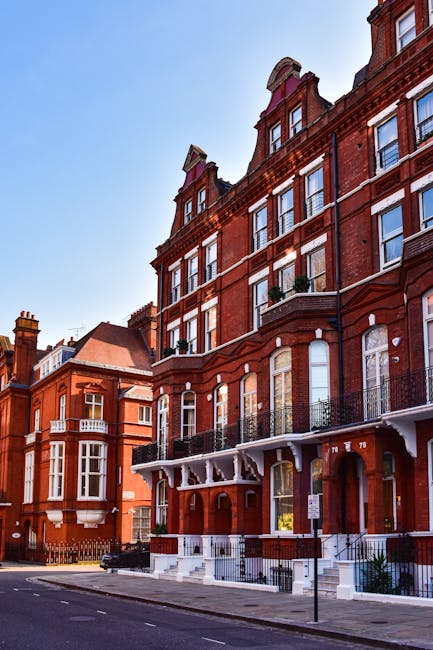
Barnes deep clean for Victorian homes Church Road: a practical guide for older properties
Victorian homes have character in spades, but they also collect dust, wear, and odd little cleaning challenges in places modern homes simply do not. If you are looking into a Barnes deep clean for Victorian homes Church Road, you are probably dealing with more than a quick tidy-up: built-up grime on skirting boards, tired carpets, paintwork that needs care, and rooms that need a proper reset rather than a surface wipe.
This guide walks through what a deep clean involves, why older Barnes properties need a more thoughtful approach, and how to plan the job so it feels manageable. You will also find practical steps, common mistakes, and a realistic checklist you can use before booking. No fluff. Just the kind of detail that helps when you are standing in a hallway thinking, "right, where do I even start?"
Why Barnes deep clean for Victorian homes Church Road Matters
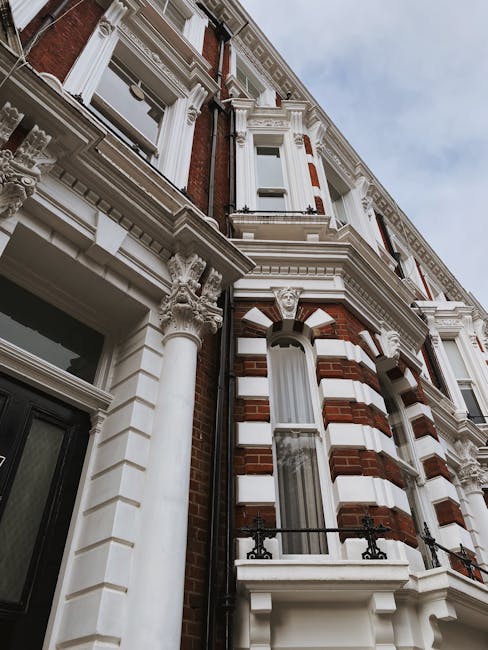
Victorian homes tend to have depth in their features, and depth in the dust too, let's face it. Original coving, timber floors, sash windows, fireplaces, deep skirting boards, and awkward corners all create places where dirt settles quietly over time. A normal weekly clean keeps things presentable, but it rarely gets into the layers that build up in an older property.
On Church Road in Barnes, many homes also have a mix of old and newer finishes. That matters because cleaning one surface can affect another. A strong chemical that is fine on a tiled splashback may be too harsh for aged woodwork or delicate paint. Likewise, older carpets and upholstery may hide soil that only shows up once the room is properly inspected in daylight.
That is why a Victorian-home deep clean is less about speed and more about judgement. You want methods that remove dirt without stripping character. You want attention to the details people notice immediately when they walk in: light switches, handles, bannisters, window ledges, the tops of doors, the dust that gathers on picture rails. Small things, but together they change how a house feels.
For homeowners, landlords, and anyone preparing a move, a thoughtful deep clean can also make a property easier to maintain afterwards. It creates a reset point. Once that layer of grime is gone, regular cleaning becomes simpler, quicker, and frankly less annoying.
How Barnes deep clean for Victorian homes Church Road Works
A proper deep clean for a Victorian property usually starts with a walk-through. The aim is to identify surfaces, materials, problem areas, and any fragile features before any cleaning begins. That includes checking whether the home has original timber, lime-based paint, marble, brass fittings, antique tiles, or modern replacements that need different care.
From there, the work is usually broken into zones. Downstairs rooms often need more attention around entrance points, skirting, radiators, fireplaces, and floor edges. Upstairs bedrooms often need deeper dust removal, mattress care, upholstery attention, and window detailing. Kitchens and bathrooms tend to be the heaviest lift because grease, soap residue, and limescale build up fastest there.
A good service will typically use a mix of dry and wet methods. Dry dusting helps lift loose debris before it gets smeared around. Microfibre cloths, soft brushes, and detail tools help avoid scratching. Wet cleaning may include gentle degreasers, descalers, and specialist spot treatment, but the exact approach depends on the surface. That part is important. Older houses are not the place for a one-size-fits-all approach.
If carpets, rugs, or upholstered furniture are part of the job, those may be handled separately using methods such as steam extraction or targeted stain treatment. For homes with heavy foot traffic or pet issues, it can make sense to combine a house deep clean with carpet cleaning or steam carpet cleaning for a more complete finish.
A final stage usually covers inspection and touch-up. That is where the job moves from "clean" to "properly finished". Mirrors are buffed. High-touch points are checked. The places nobody sees until they do. You know how it goes.
Key Benefits and Practical Advantages
The biggest benefit of a deep clean in a Victorian home is not just appearance. It is the way the property feels afterwards. Air feels fresher. Rooms look brighter. Surfaces show their true condition rather than a layer of everyday grime. That sounds simple, but it has a real impact on how you experience the house day to day.
Here are the practical advantages that matter most:
- Better preservation of original features - careful cleaning helps protect timber, plasterwork, tiles, and fittings that can be easily damaged by harsh products.
- Improved hygiene - kitchens, bathrooms, and busy living areas can harbour grease, dust, allergens, and lingering odours if they are only surface-cleaned.
- Less ongoing maintenance - once the heavy build-up is removed, weekly cleaning becomes much more efficient.
- Better results before a move or sale - buyers and tenants notice cleanliness very quickly, especially in older homes where detail work shows.
- More control over problem areas - stains, marks, and wear can be tackled in a structured way rather than in a rush.
There is also a psychological benefit that people rarely mention. A deep-cleaned home just feels calmer. Not perfect, not staged like a magazine, just cared for. And that matters, especially in a period property where the charm can easily be buried under a bit too much lived-in clutter.
Who This Is For and When It Makes Sense
This kind of service is a strong fit for several situations. If your home has not had a proper reset in months, if you have just moved into a property that looks clean but does not feel clean, or if you are preparing for guests, a deep clean is often the right call.
It also makes sense if you are a homeowner in a Victorian terrace, semi-detached home, or converted period property where features need more careful handling. Church Road homes can vary a lot in layout and finish, so one room might be straightforward while another has painted shutters, old brass fixtures, and a floor that needs a softer touch. That mix is exactly where experience matters.
Common scenarios include:
- before a family visit or special event
- after renovation dust has drifted everywhere, even into closed rooms
- before starting a regular cleaning routine
- after a long winter when the house feels stale and heavy
- when moving in and you want a clean slate, not someone else's leftovers
- when moving out and you need the property presented at its best
If you run a holiday let or manage a short-stay property, a deep clean can also be useful between guest cycles, especially when paired with Airbnb cleaning. Different context, same principle: detail matters.
Truth be told, not every house needs the same level of intervention. But when a Victorian home starts looking a bit tired, the difference after a proper deep clean can be dramatic. Not theatrical. Just satisfying.
Step-by-Step Guidance
If you want to understand how a professional deep clean is usually approached, it helps to break it down. Here is the practical flow most experienced teams follow.
- Survey the property first. Note fragile finishes, hard-to-reach areas, stain hotspots, and anything that needs specialist attention.
- Clear clutter and loose items. The cleaner the space, the better the access to surfaces, corners, and hidden dust traps.
- Work top to bottom. Dust and debris fall, so start with high ledges, coving, light fittings, and curtain poles before tackling lower surfaces.
- Dry dust before wet cleaning. This stops dirt from being smeared around and protects delicate surfaces from unnecessary moisture.
- Treat rooms by function. Kitchens, bathrooms, bedrooms, and reception rooms each need different products and methods.
- Handle floors carefully. Victorian floors can include original boards, tiles, stone, or carpet, so treatment should match the material.
- Detail the finishing touches. Switch plates, banisters, door frames, handles, and window sills make a bigger visual difference than people expect.
- Inspect and correct. Spot-check the places that collect residue or streaking, especially glass, mirrors, and polished wood.
One useful tip: do not try to deep clean the entire house in the order you emotionally feel like cleaning it. That sounds obvious, but at 9:40 in the morning people often start with a drawer, then the mantlepiece, then a staircase, and suddenly the kitchen is untouched. Structure saves time.
For certain items, you may want more focused support. For example, a greasy oven can distract from the rest of the room, and a stained sofa can make the whole space feel dull even if everything else is spotless. In those cases, related services such as oven cleaning or sofa cleaning can make the overall result far more complete.
Expert Tips for Better Results
The difference between a decent clean and an excellent one usually comes down to patience, product choice, and knowing when not to overdo it. Victorian homes reward a light touch in the right places.
- Test products on a hidden spot first. This is basic, but it saves headaches on painted trims, old varnish, and delicate fabrics.
- Use the gentlest effective method. Stronger does not always mean better, especially on age-sensitive surfaces.
- Pay attention to ventilation. Older houses can hold dampness and odour. Open windows where possible during and after cleaning.
- Work in natural light if you can. Streaks, dust, and missed patches are easier to spot in daylight. Afternoon sun through sash windows is merciless, in a good way.
- Do the small things properly. Skirting boards, door handles, and switch plates are tiny details that shape the whole impression.
- Do not forget soft furnishings. Curtains, rugs, mattresses, and upholstery quietly hold a lot of dust.
If there is pet hair, lingering smells, or old spill marks, it is worth addressing those directly rather than hoping they disappear after general cleaning. They rarely do. For those situations, specialist help such as pet stain odour removal or mattress cleaning can be a smart add-on.
And one more thing: do not rush drying. It is the least glamorous part, but it matters. Damp skirting, damp fabric, or moisture trapped in corners can undo a good result pretty quickly.
Common Mistakes to Avoid
Older homes are forgiving in some ways and very unforgiving in others. The most common mistakes are usually not dramatic, just the sort of things that quietly reduce the quality of the finish.
- Using the same cleaner on every surface. That is a quick route to dull finishes or damage.
- Over-wetting timber or old plaster. Victorian materials can react badly to too much moisture.
- Ignoring high-up dust. It falls back down, which is a bit rude really.
- Skipping soft furnishings. A room can look clean but still feel dusty if upholstery and curtains are not addressed.
- Cleaning around clutter forever. Some items need to be moved so the job can be done properly.
- Leaving stain treatment until the end. Old stains are harder to lift once heat, foot traffic, or sunlight has set them in further.
There is also the mistake of assuming a deep clean must look obviously "cleaned". The best result is often subtle. No smell of harsh chemicals. No streaky glass. No chalky residue on dark wood. Just a house that feels reset and well looked after.
Tools, Resources and Recommendations
You do not need a van full of gadgets, but the right tools make a big difference. For Victorian properties, the shortlist tends to be practical rather than flashy.
- Microfibre cloths for dusting and finishing without scratching.
- Soft brushes for carvings, grilles, corners, and detailed trim.
- Extension dusters for coving, pendant lights, and high ledges.
- Surface-appropriate cleaners chosen for wood, stone, tile, glass, or fabric.
- Vacuum attachments for edges, stairs, and upholstery seams.
- Steam or extraction equipment for carpets and soft furnishings where suitable.
If your property includes hard flooring that has become dull over time, a targeted approach can help restore a cleaner, more even finish. In many homes, that sits comfortably alongside hard floor cleaning. Likewise, if your windows are part of what makes the house feel bright and open, window cleaning can be one of the quickest visual upgrades.
For households dealing with mixed finishes, a broader service can be useful. The company's deep cleaning and one-off cleaning pages are worth reviewing if you want to see how a more tailored clean can be arranged. And if you are comparing what to include, it is better to think in rooms and materials rather than just ticking a generic "full clean" box.
Law, Compliance, Standards, or Best Practice
For domestic cleaning, there usually is not a complicated legal framework the homeowner needs to master. Still, a professional approach should follow sensible UK best practice around safety, care, and transparency. That means using suitable products, handling equipment responsibly, and respecting the condition of the property.
In practical terms, this includes:
- Risk awareness around slips, trips, cables, and wet surfaces
- Surface compatibility so wood, stone, paint, and fabric are treated correctly
- Clear communication about what is included and what may need specialist attention
- Insurance and safety awareness when working in occupied homes or around fragile items
- Respect for privacy and access when cleaners are working inside lived-in properties
If you are hiring a provider, it is sensible to look at their health and safety policy, insurance and safety information, and terms and conditions. Not because you expect problems, but because clear standards usually mean a smoother experience. That is just common sense, really.
For customers who care about responsible disposal and lower-impact cleaning choices, the recycling and sustainability approach is also worth a look. Period homes often generate a surprising amount of dust and packaging during a deep reset, so sensible waste handling is part of the picture.
Options, Methods, or Comparison Table
Not every property needs the same level of intervention. Here is a simple comparison to help you decide what fits best.
| Option | Best for | Typical strengths | Watch-outs |
|---|---|---|---|
| Routine cleaning | Homes kept in steady weekly order | Keeps on top of dust and surface dirt | Rarely tackles built-up grime in detail |
| One-off deep clean | Properties needing a reset | Targets hidden dirt, edges, and neglected areas | Can take longer in older homes with lots of detail |
| Move-in clean | New occupants settling into a property | Creates a fresh, hygienic starting point | May not include specialist stain or fabric work |
| Move-out clean | Leaving a property in presentable condition | Focuses on visible finish and key contact areas | Best when planned early, not last minute |
| Combined specialist clean | Homes with carpets, upholstery, or stubborn marks | More complete result across the whole property | Needs a slightly more tailored plan |
If your Victorian home has soft furnishings that hold odour or wear, the comparison often shifts in favour of a combined approach. That may include upholstery cleaning, curtain cleaning, or even rug cleaning. The point is not to add everything. The point is to choose the pieces that actually change the result.
Case Study or Real-World Example
A typical Church Road Victorian home might have a hallway, two reception rooms, a kitchen, three bedrooms, and a bathroom. Nothing extreme. But after months of everyday use, the house can feel oddly tired. The hallway collects outdoor dirt, the reception rooms have a light dust film on mouldings, and the kitchen has a greasy edge around cabinet handles that nobody notices until the sunlight hits it just right.
In one real-world style scenario, the priority list would usually look something like this: first the entrance and stairs, then the reception rooms, then kitchen and bathroom, then bedrooms and soft furnishings. It is not glamorous, but it works. A cleaner might start by removing dust from top ledges and light fittings, then vacuuming edges and skirting, then detailing mirrors, switches, and frames. Carpets may be treated separately if they show traffic lines or patchy staining.
What changes at the end is not only the look of the house. The whole place feels less heavy. Doors seem cleaner to touch. Air moves through the rooms better once the dust is out of the fabric and corners. And suddenly the house has that older-home charm again, instead of that slightly forgotten feeling. Small shift. Big relief.
For homes that have also had decorators in or are finishing renovation work, it is worth considering after builders cleaning alongside the deep clean, because fine dust has a habit of getting everywhere. It is like glitter, but less festive.
Practical Checklist
Use this quick checklist before booking or starting a deep clean. It keeps things orderly, which is half the battle.
- Identify fragile surfaces, antiques, or original finishes
- Decide which rooms need full attention and which only need touch-up work
- Remove clutter, loose items, and small valuables where possible
- Note stains, odours, carpet marks, and problem areas in advance
- Check whether carpets, upholstery, rugs, or curtains need specialist care
- Confirm access for water, electricity, and parking if required
- Ask about product suitability for timber, stone, paint, and fabric
- Review safety, insurance, and service terms before the appointment
- Plan ventilation and drying time after the clean
- Schedule follow-up maintenance so the results last longer
One helpful extra step: if you are comparing providers, make sure the quote reflects the actual condition of the property. A Victorian house with high ceilings, detailed woodwork, and heavily used carpets is rarely the same as a plain two-bed flat. Obvious, but worth saying.
Conclusion
A Barnes deep clean for Victorian homes Church Road is about more than making a house look tidy for a day. It is about restoring a period property with care, improving the feel of the space, and protecting the features that give it its character in the first place. Done properly, it lifts the whole home.
The best results come from good planning, the right methods for each surface, and a sensible sense of priority. Start with the rooms that make the biggest difference. Give fragile materials a gentle touch. Do not forget the small details, because in Victorian homes they are often the details that carry the whole room.
If you are weighing up your options, it is usually worth looking at the service pages that match your situation most closely, especially domestic cleaning, house cleaning, and move-in cleaning if you are at a transition point. A bit of thought now saves a lot of faff later.
Get a free quote today and see how much you can save.
And if nothing else, a proper deep clean gives an older home room to breathe again. That alone is worth something.
Frequently Asked Questions
What is included in a deep clean for a Victorian home?
A deep clean usually includes detailed dusting, skirting boards, doors, frames, switches, kitchens, bathrooms, floors, and other overlooked areas. In a Victorian home, the work often extends to higher ledges, ornate trim, and delicate finishes that need a careful touch.
How often should a Victorian house in Barnes have a deep clean?
It depends on how the property is used, but many homes benefit from a deep clean a few times a year, with regular cleaning in between. If the house has lots of soft furnishings, pets, or heavy foot traffic, you may want it more often.
Is a deep clean safe for original woodwork and period features?
It can be, provided the right products and methods are used. Original woodwork, painted trims, and older plaster should be cleaned gently and tested first. That is one of the reasons experience matters in Victorian properties.
Do I need to move furniture before the clean?
It helps a lot, especially for better access to floors, corners, and skirting. Some larger items may not need to be moved, but smaller clutter should be cleared where possible so the cleaner can reach the areas that actually collect dust.
Can a deep clean remove old stains from carpets or upholstery?
Sometimes, but not always. Older stains can be stubborn, especially if they have set in over time. In many cases, specialist services such as stain removal or pet stain odour removal give a better chance of improvement.
What is the difference between one-off cleaning and deep cleaning?
One-off cleaning is often used as a broader term for a single visit clean, while deep cleaning implies more detailed attention to neglected areas, hidden grime, and harder-to-reach spots. In practice, the two can overlap quite a bit.
How long does a Victorian house deep clean usually take?
That depends on the size of the property, the amount of detail, and how much buildup there is. A compact home may take less time, while a larger period property with ornate features, carpets, and several bathrooms will naturally take longer.
Should I book carpet cleaning at the same time?
If the carpets look tired, hold odour, or show traffic marks, yes, it often makes sense. A general deep clean and carpet cleaning together usually create a more complete result than either service on its own.
Is deep cleaning worth it before moving in?
Absolutely, especially in older homes. A move-in clean gives you a proper fresh start and helps remove dust or residue left by previous occupants. It is a good moment to set a baseline for the rest of the home.
What should I ask before booking a cleaning service?
Ask what is included, what products are used, whether fragile surfaces are handled differently, and whether any specialist services are available if needed. It is also sensible to check their pricing and quotes information so you know how the job is scoped.
Can a deep clean help with odours in an older property?
Yes, especially if the odour is coming from carpets, upholstery, curtains, or mattresses. A deep clean can reduce the source, but sometimes you need separate treatment for a proper result. That is where targeted services become useful.
What makes Victorian homes harder to clean than newer homes?
Mostly the mix of materials and detail. You often get deeper skirting, original woodwork, sash windows, high ceilings, older finishes, and more places for dust to sit. Beautiful, yes. Simple to clean? Not always.
How do I book or ask for more details?
If you are ready to talk through your property, the best next step is to visit the relevant service information and make an enquiry through the site. If you want to understand the business first, the about us page is a sensible place to start, and the contact us page can help you get moving.